|
 |
On theater and culture
By
Michael Bronski
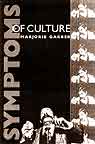
Symptoms of Culture
Marjorie Garber
Routledge
How to order
O Solo Homo: The New Queer Performance
Holly Hughes and David Romain,
editors
Grove Press
How to order
Culture-- broadly defined, which is really the only way-- is all around us: TV, video games, Shakespeare, ads, books, musical recordings, news reports, even
food packaging. Culture's pervasiveness, however, is matched only by the pervasiveness of anxiety in our contemporary world: who are we, what are we? And according
the Marjorie Garber, one of the US's most astute and imaginative social commentators, culture and anxiety are so intertwined as to be inseparable. We are, Garber argues
in her Symptoms of Culture (Routledge, cloth, 272 pages,
$27), what we consume culturally-- and it doesn't always agree with us. Garber's approach to culture
is eclectic-- she veers from Charlotte's
Web to Jell-O boxes, from Sir Lawrence Olivier's bisexuality to the Anita Hill Clarence Thomas hearings, and her aim is
unwavering.
Garber is more interested in exploring what a piece of culture "means" than in discussing whether it is "good" or "bad." She shifts and sorts through the artifacts
of everyday life attempting to find sense in the midst of chaos. In her discussion of "gentility"-- that is, being a gentile-- she gracefully makes the connection between
the idea of the mainstream culture's fear of the hidden Jew as "passing" as embodied in the 1947 film
Gentleman's Agreement with what Clinton's "Don't ask, don't
tell" policy means today. By making such links, such as between ideas about ethnicity and sexuality, Garber indicates new ways of looking at the world-- connections
we may not have seen or thought about earlier.
What makes Garber such a great critic, however, is her acknowledgment that "culture" is so multifaceted and
meaning-full that her efforts are, by intention
and necessity, tentative and elusive: full explanations would destroy culture's fun and energy. Garber is excited, at times almost turned-on by popular culture. We can feel
it in her descriptions and the detail with which she describes her topics.With a style that is both graceful and funny, insightful and invigorating, Marjorie Garber looks
at the amazingly complicated thing we call "culture" and explains it all-- well, not quite all-- to us.
Life's a stage
Gay men and lesbians have always taken front and center stage in the theater. Homosexuality has found many manifestation in theater-- from Shakespeare's
cross-dressing love interests to Oscar Wilde's witty comedies of mis-manners to Eve Le Gallienne and Mary Martin's portrayals of the androgynous Peter Pan. In the
mid-1980s the New York performance art scene began flourish and scores of queer artists began careers in tiny storefronts, church basements, and empty lofts. Some
were transgressive monologists and others worked in collaboration with other artists. By breaking down traditional ideas of "acting" and by being unafraid of dealing
with queer sexual content they changed style, form and content of alternative and mainstream theater.
O Solo Homo: The New Queer Performance (Grove Press,
paper, 480 pages, $17.95) is a collection of scripts and texts by the most important of these performers.
The material here ranges from the overtly sexual as in Tim Miller's "Naked Breath" and Holly Hughes's slyly subversive "Clit Notes." But often the performers
and writers are as interested in politics as sex. The late Ron Vawter's exploration of art, betrayal, and the cult of personality in "Roy Cohn/Jack Smith" is brilliant.
Peggy Shaw's exploration on what it means to be butch in a world that celebrates manliness in "You're Just Like My Father" is both deeply shocking and hilarious.
O Solo Homo is a fine introduction to not only the new queer theater, but to the politics and artistic theory that fuels it.
The Introduction and notes on the writers by editors Holly Hughes and David Román are witty, informative, and indispensable for
anyone interested in queer art and politics today.
| Author Profile: Michael Bronski |
|
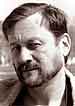
Michael Bronski is the author of
Culture Clash: The Making of Gay
Sensibility and The Pleasure
Principle: Sex, Backlash, and the
Struggle for Gay Freedom. He writes
frequently on sex, books, movies, and
culture, and lives in Cambridge,
Massachusetts. |
| Email: |
mabronski@aol.com |
You are not logged in.
No comments yet, but
click here to be the first to comment on this
Book Review!
|